Drywall cracks are common in homes, but they do not all have the same cause. Some are minor cosmetic problems caused by normal settling or seasonal movement. Others develop because of moisture, failed drywall seams, framing movement, poor installation, or repairs that did not address the original problem.
The location, shape, and behaviour of the crack can help determine what may be happening. A thin crack that remains unchanged for years is different from one that keeps returning, becomes wider, or appears alongside water stains and other damage.
For homeowners looking for drywall repair Victoria BC services, the best approach is to understand why the crack formed before patching and repainting it. A repair that addresses the underlying issue has a much better chance of lasting.
What Causes Drywall Cracks?
Drywall panels are attached to framing and connected with joint tape and compound. When the framing, drywall, or surrounding materials move, stress often becomes visible at seams, corners, ceilings, and openings around doors and windows.
Normal House Settling
Homes naturally move slightly over time. Newer homes may settle as wood framing dries and building materials adjust. Older homes can continue responding to seasonal moisture, temperature changes, and normal movement within the structure.
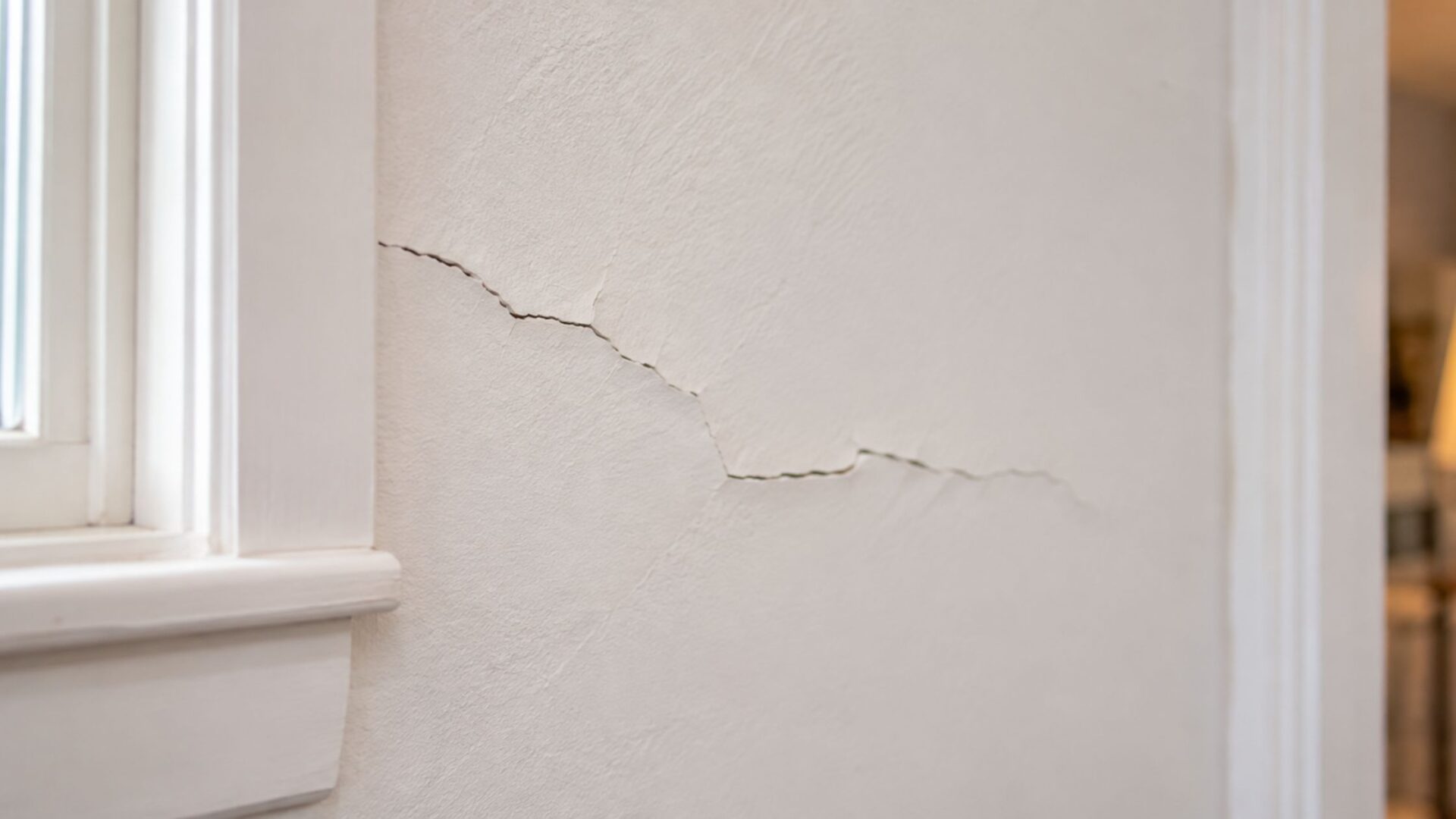
Small settlement cracks commonly appear above doors, around windows, near ceilings, and along drywall joints. If the crack stays narrow and does not noticeably change, it is often cosmetic.
The main concern is continued movement. A crack that becomes longer or wider over a relatively short period should be assessed before it is repaired.
Temperature and Humidity Changes
Wood framing expands and contracts as moisture and temperature conditions change. Drywall and joint compound are less flexible, so this movement can eventually show through the finished surface.
Seasonal changes may make some cracks appear more noticeable at certain times of the year. Bathrooms, kitchens, laundry rooms, and other areas with changing humidity levels can be especially prone to this type of movement.
Why Seasonal Cracks Can Return
If the joint beneath the surface continues moving, simply applying new compound over the visible crack may only provide a temporary fix. The drywall seam may need to be reinforced before the finish is restored.
Poor Drywall Installation
Some cracks begin with the original drywall installation. Panels need proper framing support, correctly placed fasteners, securely embedded tape, and enough drying time between coats of joint compound.
If tape was not embedded properly or the drywall edges were not adequately supported, a seam may eventually crack even if the wall looked smooth when the project was first completed.
A professional drywall repair should address the weak seam rather than covering it with another thin layer of compound.
Failed Drywall Seams
Straight cracks often follow the joint between two drywall panels. This usually suggests movement or failure along the seam itself.
The joint may contain loose tape, cracked compound, or movement between panels. In these cases, the damaged area may need to be opened and repaired before new compound is applied.
Surface Crack vs. Joint Failure
A small surface crack may need only localized repair. A failed drywall joint may require loose material to be removed, the seam to be retaped, and several coats of compound to be applied before sanding and painting.
That difference is important because treating a failed joint like a simple cosmetic crack often leads to the problem returning.
Where Drywall Cracks Commonly Appear
Crack location can provide useful information about what may be causing the damage.
Cracks Around Doors and Windows
Doors and windows interrupt wall framing, which can concentrate movement around their corners. This is why drywall cracks often extend diagonally from the upper corners of doors or windows.
A small stable crack may result from ordinary settling. A growing crack that appears together with a door or window becoming difficult to open may deserve closer attention.
Ceiling Cracks
Ceiling cracks can result from drywall seam movement, framing changes, normal settling, or moisture. A straight line across a ceiling often follows the joint between drywall panels.
Cracks where the wall meets the ceiling may also develop as roof and ceiling framing moves with seasonal conditions.
Signs That Moisture May Be Involved
A ceiling crack should be checked more carefully if you also notice:
- Brown or yellow staining
- Bubbling or peeling paint
- Soft drywall
- Sagging
- Dampness around the damaged area
These symptoms can indicate a roof leak, plumbing problem, condensation issue, or another moisture source. The water problem should be corrected before drywall repair begins.
Corner Cracks
Inside corners are usually finished with drywall tape. Outside corners often contain corner bead. Both areas can crack when movement occurs.
Inside corner cracks commonly develop where two walls meet or where a wall connects to the ceiling. Outside corner damage can occur from impact or loose corner bead.
The repair method depends on what has failed beneath the visible surface.
Nail Pops and Fastener Problems
Not every drywall problem appears as a long crack. Nail pops and screw pops can create small circular bumps or cracks where fasteners sit below the surface.
These often develop when framing dries and shifts slightly. Covering the fastener with compound alone may not provide a lasting repair.
The drywall may need to be secured again before the damaged area is patched, sanded, primed, and painted.
Moisture and Recurring Drywall Damage
Moisture can create more serious drywall problems than normal seasonal movement. Plumbing leaks, roof leaks, bathroom humidity, condensation, and water intrusion can weaken drywall and joint compound.
Water-Damaged Drywall
Drywall affected by moisture may show staining, swelling, bubbling paint, soft areas, cracks, or sagging. If the material has become badly deteriorated, patching may no longer be enough.
The source of the water should always be identified and corrected first. Repairing and repainting a wet or repeatedly damp surface will usually result in the same problem returning.
Once the area is dry, the drywall can be assessed to determine whether it should be repaired or partially replaced.
Why Some Drywall Cracks Keep Coming Back
A recurring crack usually means something beneath the surface still needs attention. The joint tape may have failed, the framing may still be moving, moisture may be present, or the previous repair may have covered only the visible line.
Repeatedly filling the same crack can eventually create a raised patch without fixing the actual problem.
A better repair usually involves exposing enough of the damaged joint to determine what failed, reinforcing it where necessary, and then rebuilding the finish.
When Should a Drywall Crack Be Repaired?
Not every drywall crack requires urgent work. A stable hairline crack may simply be a cosmetic issue that can be repaired before the next interior painting project.
Some cracks should be addressed sooner.
Cracks That Need Closer Attention
Consider having the area assessed when a crack:
- Keeps returning after previous repairs
- Becomes noticeably wider or longer
- Appears with water staining or dampness
- Develops across several areas at the same time
- Is accompanied by sagging drywall
- Appears with significant movement around doors or windows
These signs do not automatically mean there is a major structural problem. They do mean that repairing the surface without investigating the cause may not be the best approach.
When the Crack Is Mostly Cosmetic
A small drywall crack is more likely to be cosmetic when it remains thin, stable, dry, and limited to a seam or corner.
If you are unsure whether a crack is changing, take a clear photo and compare it after several weeks or months. Monitoring the area can help determine whether it is stable or continuing to move.
How Professional Drywall Crack Repair Works
The repair method depends on the type of crack, its location, and whether the drywall seam underneath has failed.
For homeowners dealing with damaged walls, ceiling cracks, failed seams, nail pops, or recurring repairs, professional drywall repair can help restore the damaged surface before final painting.
A typical drywall crack repair may involve these steps:
- Assess the crack and surrounding drywall to identify the likely cause.
- Remove loose compound, damaged tape, or unstable material.
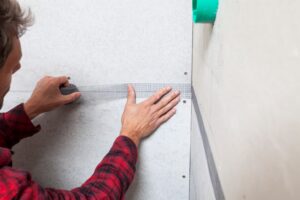
- Reinforce or retape the drywall seam when necessary.
- Apply joint compound in several thin coats.
- Feather the compound beyond the repair so the surface transitions smoothly.
- Sand the repaired area after the compound has dried.
- Match the existing wall or ceiling texture where required.
- Prime and paint the finished repair.
Why Multiple Coats Matter
Joint compound usually performs better when several thin coats are used instead of one heavy application. Each coat can be feathered farther into the surrounding wall, creating a smoother transition.
Allowing the compound to dry properly between coats also reduces shrinkage and helps create a more stable finish.
Sanding and Blending
The objective of sanding is not simply making the patch flat. The repaired area should transition gradually into the surrounding wall.
Poor feathering can leave a ridge that becomes obvious after painting, especially when natural light moves across the surface.
Texture Matching
Texture can make drywall crack repair more challenging. Orange peel, knockdown, popcorn, and other finishes need to be recreated around the repair.
A smooth patch on a textured wall may remain visible even if the paint colour matches perfectly.
Priming Before Painting
Fresh joint compound absorbs paint differently from previously painted drywall. Primer helps seal the repaired surface and create more consistent colour and sheen.
Without proper priming, the repaired area can appear duller or shinier than the rest of the wall.
This is why drywall repair should be completed fully before the final painting stage begins.
Drywall Cracks in Older Homes
Older homes can contain several generations of drywall work, paint, repairs, and renovations. One wall may include original drywall beside newer patches, while a ceiling may contain repairs from an older leak or renovation.
This does not mean every crack in an older property is serious. It does mean that previous work can affect how the damaged area should be repaired.
Homeowners needing drywall services in Oak Bay may encounter settlement cracks, ceiling repairs, failed seams, nail pops, texture issues, and older patches that need attention before repainting.
Renovation Work Can Also Create Cracks
Drywall cracks can appear after renovations because walls and ceilings may have been opened, reframed, patched, or connected to newer materials.
A crack where old drywall meets a newer section may indicate movement at the transition or a previous finishing problem.
Knowing the history of the room can help determine the correct repair method.
Should You Repair Drywall Before Painting?
Yes. Drywall cracks, dents, nail pops, failed seams, and visible patches should generally be repaired before interior painting.
Fresh paint changes the colour of the wall, but it does not correct surface damage. In fact, a new consistent finish can make cracks and uneven repairs easier to notice.
Drywall preparation should leave the wall stable, smooth, dry, and properly primed before finish paint is applied.
Can You Repair Drywall Cracks Yourself?
Small cosmetic cracks can be manageable for homeowners who are comfortable working with joint compound, sanding, primer, and paint.
Professional drywall repair becomes more useful when the problem involves recurring cracks, long seams, ceiling damage, loose drywall tape, moisture damage, textured surfaces, or highly visible walls.
The difficult part is often not filling the crack. It is creating a repair that does not remain obvious after the room is painted.
Frequently Asked Questions About Drywall Cracks
Are drywall cracks normal?
Small drywall cracks can develop from normal settling, framing movement, temperature changes, humidity, and movement along drywall seams. Stable hairline cracks are often cosmetic.
Why does the same drywall crack keep coming back?
Recurring cracks can indicate loose joint tape, continued movement, moisture, or a previous repair that only covered the surface instead of repairing the drywall seam.
Can you paint over drywall cracks?
Paint may hide a very small crack temporarily, but it cannot reinforce a failed drywall joint. The crack should be repaired before priming and painting.
Can humidity cause drywall cracks?
Yes. Changes in humidity can cause framing and other building materials to expand or contract, creating stress along drywall seams and corners.
Are ceiling cracks serious?
Not necessarily. A stable ceiling seam crack can be cosmetic. Cracks accompanied by water staining, sagging, softness, or rapid movement should be assessed more quickly.
When should I call a drywall professional?
Professional drywall repair is worth considering when cracks repeatedly return, affect ceilings or long seams, involve loose tape or texture, appear with water damage, or need to blend cleanly into a highly visible finished surface.
Repair the Cause Before Finishing the Surface
Drywall cracks can result from normal settling, temperature and humidity changes, failed seams, moisture, framing movement, poor installation, or previous repairs.
The important question is whether the crack is stable or whether something continues to affect the wall or ceiling.
Small cosmetic cracks can often be repaired successfully. Recurring cracks, moisture damage, failed drywall joints, and ceiling problems usually need more careful preparation.
A proper drywall repair should address the damaged area, reinforce the joint where necessary, create a smooth transition, match the existing texture, and prepare the surface for primer and paint.
When both the cause and the visible damage are handled properly, the repaired wall or ceiling can blend naturally with the rest of the room.