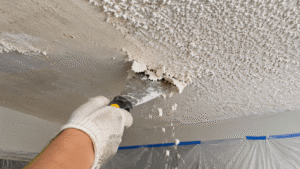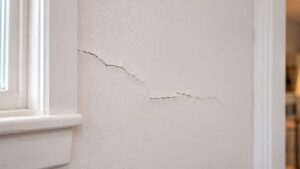
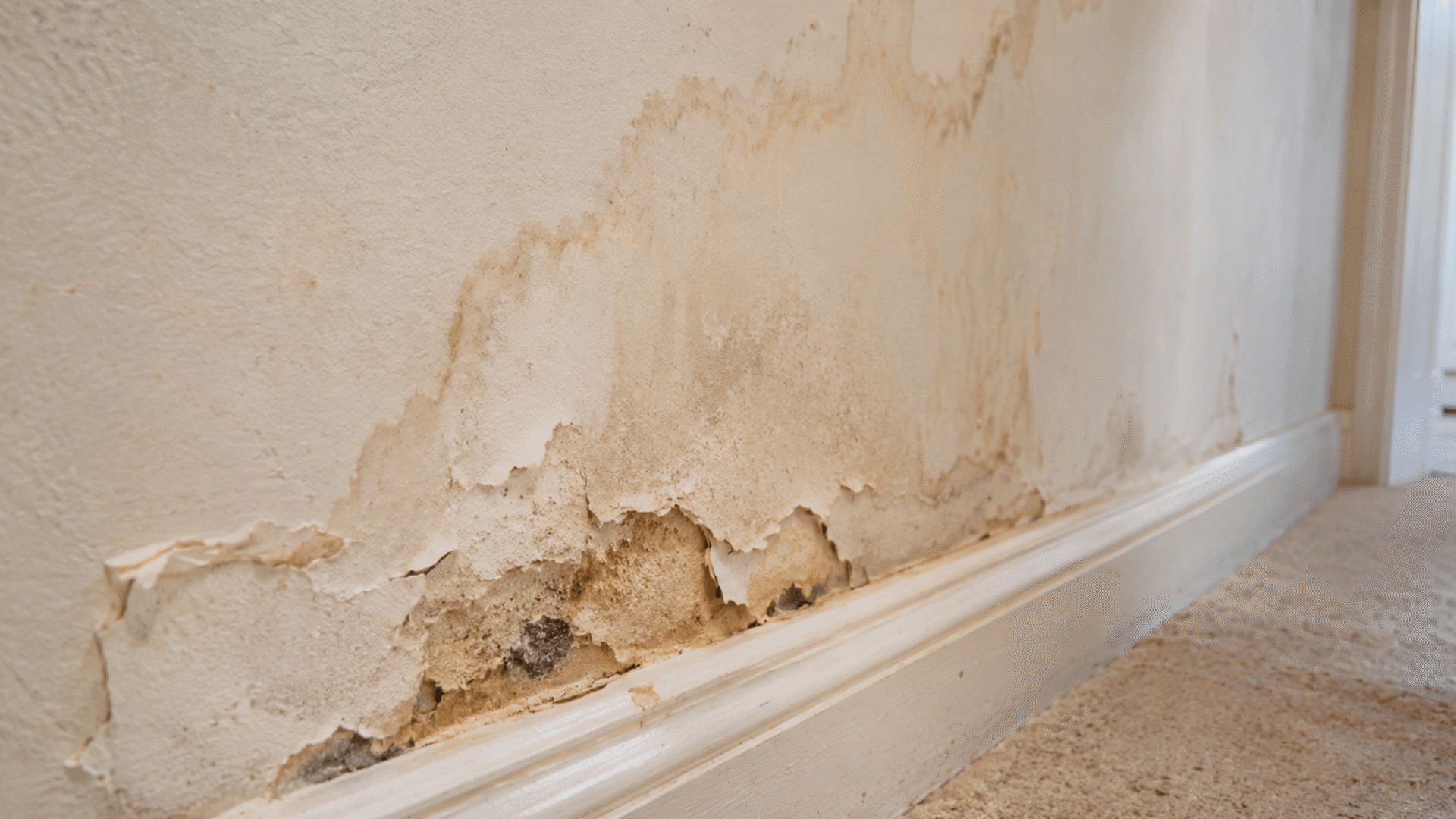
Water damage is not always obvious when it first reaches drywall. A small stain on a ceiling or a patch of bubbling paint may be the only visible warning, while moisture has already reached the drywall paper, joint compound, insulation, or framing behind the finished surface.
Drywall is porous, which means it can absorb moisture from plumbing leaks, roof problems, overflowing fixtures, condensation, and other water sources. Depending on how much water is involved and how long the material remains wet, the damage can range from minor staining to softened drywall, sagging ceilings, deteriorated joints, and hidden mould growth.
For homeowners looking for water-damaged drywall repair Victoria services, the first priority should be finding and stopping the moisture source. Drywall repair and painting should come after the affected area has been properly assessed and dried.
What Happens When Drywall Gets Wet?
Drywall is made primarily from a gypsum core covered with paper. The material performs well in normal indoor conditions, but prolonged or significant moisture exposure can weaken both the drywall and its finished surface.
Staining May Be the First Sign
Brown, yellow, or grey staining is one of the most common signs of water damage on ceilings and walls. The stain may appear small even when the moisture has travelled farther behind the surface.
Water can move along framing, drywall seams, pipes, or ceiling cavities before becoming visible.
A stain should therefore be treated as evidence of a moisture problem rather than simply a painting issue.
Painting Over the Stain Does Not Fix the Leak
Stain-blocking primer can be useful after the water source has been corrected and the drywall is dry. It should not be used to hide an active problem.
If moisture continues reaching the area, staining, bubbling, or deterioration can return through the new finish.
Paint Can Bubble or Peel
Moisture behind paint can interfere with adhesion and cause the coating to blister, bubble, or peel away from the drywall.
This is commonly seen around leaks, bathrooms, ceilings below plumbing fixtures, and other areas where water has reached the finished surface.
Removing loose paint may reveal damaged drywall underneath. The condition of that material should be checked before the area is simply patched and repainted.
Drywall Can Become Soft
Wet drywall can lose firmness as water affects the paper facing and gypsum core.
A damaged section may feel soft, swollen, or fragile. In more severe cases, the drywall may crumble when touched.
Once the material has lost its integrity, surface patching may no longer be enough. Part of the panel may need to be removed and replaced.
Water Damage Can Extend Beyond What You Can See
One of the main challenges with water-damaged drywall is that the visible stain does not always show the full affected area.
Moisture can remain inside wall cavities, above ceilings, behind insulation, or around framing.
Hidden Moisture Behind Walls
A small plumbing leak can continue for a long time before it becomes obvious. Moisture may spread behind the drywall and eventually show up through:
- Discolouration
- Bubbling paint
- Soft drywall
- Musty odours
- Cracked or swollen seams
- Sagging ceiling areas
These symptoms can indicate that the issue extends beyond the finished surface.
Ceiling Damage Can Become More Serious
Ceiling drywall deserves particular attention because wet material can begin to sag.
A ceiling may initially show only staining before the drywall starts changing shape. If a section becomes noticeably swollen or sagging, avoid pressing or poking it.
The material may have lost strength, and additional water could be sitting above it.
Common Sources of Water-Damaged Drywall
Before repairing the drywall, determine where the water came from. Repairing the wall without fixing the source can lead to repeated damage.
Plumbing Leaks
Leaks from water supply lines, drains, toilets, sinks, showers, and other plumbing fixtures can damage nearby walls and ceilings.
Slow leaks are especially difficult because they may remain hidden until staining or softness develops.
Roof Leaks
Roof problems can allow rainwater into ceiling and wall cavities. Water may travel along roof framing before appearing somewhere away from the original leak.
This can make the visible ceiling stain misleading when trying to locate the actual source.
Bathroom Moisture
Bathrooms regularly produce steam and humidity. Poor ventilation, leaking shower enclosures, failed caulking, or plumbing problems can create persistent moisture around drywall.
Repeated exposure may eventually affect paint, drywall paper, and joint compound.
Condensation
Condensation can occur where warm, humid air meets a colder surface.
Occasional condensation may be minor, but persistent moisture can contribute to drywall deterioration and mould growth.
The cause of repeated condensation should be identified before damaged drywall is restored.
Water Damage and Mould Concerns
Wet drywall can create conditions that allow mould to develop, especially when moisture remains for an extended period.
Mould May Not Always Be Visible
A wall can look relatively normal while moisture and mould exist inside the cavity.
Possible warning signs include persistent musty odours, repeated staining, dampness, or deterioration that returns after previous repairs.
Do Not Simply Paint Over Mould
Painting over visible mould does not correct the moisture problem or remove contaminated material.
If mould is underneath the paint or inside porous drywall, damaged sections may need to be removed rather than coated over.
Large or recurring mould problems should be assessed appropriately before drywall restoration begins.
Can Wet Drywall Be Saved?
Not every piece of drywall exposed to moisture needs replacement.
The answer depends on the amount of water, how long the drywall remained wet, the source of the water, and the condition of the material after drying.
Drywall May Be Repairable When
A limited area may sometimes be repaired when the water exposure was minor, the source was corrected quickly, the material remained structurally sound, and the surface has dried completely.
Staining or minor surface deterioration may then be addressed with appropriate preparation, primer, and paint.
Replacement May Be Better When
Drywall replacement may be necessary when the material is:
- Soft or crumbling
- Significantly swollen
- Sagging
- Delaminating
- Extensively mould-damaged
- Structurally weakened
The affected section can be removed and replaced with new drywall before taping, finishing, priming, and painting.
Repair vs. Replacement After Water Damage
Determining whether to patch or replace water-damaged drywall requires looking beyond the visible surface.
A small stain with firm, dry drywall may need much less work than a ceiling section that has softened and begun to sag.
Repairing Limited Damage
Minor water damage may require cleaning the area, removing loose finish material, repairing damaged compound, sanding, priming, and repainting.
The repaired section still needs to be dry and stable before finish work begins.
Replacing Damaged Sections
When water has significantly weakened the drywall, the damaged material is typically removed until solid, dry material remains.
The repair process may then include:
- Removing damaged drywall.
- Checking the exposed cavity and surrounding materials.
- Allowing the area to dry completely.
- Installing replacement drywall.
- Taping and finishing the joints.
- Sanding and matching existing texture.
- Priming and painting the restored area.
This approach addresses the damaged material instead of attempting to hide it.
Why Drying Comes Before Drywall Repair
Repairing a wet wall too soon can trap moisture inside the assembly.
The leak or water source should be corrected first, followed by adequate drying.
Moisture Needs Somewhere to Go
Depending on the extent of the damage, drying may require increased airflow, dehumidification, removal of wet materials, or professional water restoration equipment.
The goal is to make sure moisture is no longer trapped inside the wall or ceiling before new drywall and finishes are installed.
Repeated Damage Often Means the Source Is Still Present
If the same stain, bubbling paint, or soft area returns after repair, the underlying moisture problem may not have been fully corrected.
Continuing to patch the same location without addressing the source can lead to repeated drywall damage.
Professional Water-Damaged Drywall Repair
Once the moisture problem has been controlled and the area has been assessed, drywall restoration can begin.
For homeowners dealing with ceiling stains, damaged wall sections, bubbling paint, or deteriorated drywall, professional water damaged drywall repair can include removing damaged materials, patching or replacing drywall, restoring the finish, and preparing the area for paint.
Matching the Existing Surface
A repair should blend with the surrounding wall or ceiling.
This can involve matching drywall thickness, joint finishing, texture, primer, paint colour, and sheen.
Water damage repairs are often especially visible on ceilings because overhead lighting and windows can highlight even small surface differences.
Stain Blocking After the Surface Is Dry
Some water stains can bleed through ordinary paint even after the moisture problem has been corrected.
An appropriate stain-blocking primer can help isolate remaining discolouration before finish paint is applied.
This should happen only after the underlying material is dry and any damaged drywall has been repaired.
Water-Damaged Drywall in Langford Homes
Water damage can occur in homes of any age. Plumbing leaks, roof problems, bathroom moisture, and accidental water releases can all affect drywall walls and ceilings.
Homeowners who need drywall repair in Langford can address water-damaged drywall along with patching, ceiling repair, texture matching, and painting as part of the restoration process.
Drywall Medic’s Langford services include drywall repair, patching, smoke and water damage work, texture repair, and painting, which can help coordinate the different stages needed after damaged material has been removed.
What to Do When You Notice Water Damage
Acting early can limit how far the damage spreads.
A practical response usually includes these steps:
- Identify and stop the water source when it is safe to do so.
- Protect furniture, flooring, and other nearby materials.
- Avoid disturbing sagging or severely damaged drywall.
- Begin drying the affected area.
- Inspect for signs of hidden moisture or mould.
- Determine which drywall can be repaired and which needs replacement.
- Restore the drywall only after the area is dry.
The exact process depends on the source and severity of the damage.
Frequently Asked Questions About Water-Damaged Drywall
Can Water-Damaged Drywall Dry on Its Own?
Minor moisture exposure may dry when the water source is stopped, and adequate airflow is available. More significant water damage may require dehumidification, ventilation, or removal of wet materials.
The drywall should be assessed after drying to determine whether it remains structurally sound.
Does Stained Drywall Always Need Replacement?
No. A stain does not automatically mean the drywall needs to be replaced. If the material remains firm, dry, and undamaged, the surface may be repairable.
Soft, swollen, sagging, mould-damaged, or deteriorated drywall may require replacement.
Can You Paint Over Water Damage?
Only after the moisture source has been fixed and the drywall has dried and been repaired. Painting directly over active water damage can hide the problem temporarily but will not stop further deterioration.
How Can You Tell if Water Damage Is Behind a Wall?
Visible staining, bubbling paint, soft drywall, musty odours, damaged seams, or recurring moisture problems may indicate hidden water damage.
Further inspection may be needed when the visible symptoms do not match the suspected source.
Can Mould Grow Behind Drywall?
Yes. Mould can develop in damp concealed spaces, including behind walls and above ceilings. Persistent moisture should be investigated rather than covered with new drywall or paint.
Should Sagging Ceiling Drywall Be Repaired?
Sagging drywall may have absorbed enough water to lose strength. The source should be addressed, and the affected ceiling should be assessed before repair or replacement.
Repair Water Damage Before It Spreads
Water-damaged drywall can involve much more than a visible stain. Moisture may weaken the drywall core, loosen paint, damage seams, create sagging, or remain hidden behind walls and ceilings.
The most important step is correcting the source of the water before repairing the surface.
Once the area is dry, the condition of the drywall can determine whether patching is enough or damaged sections should be replaced.
Early attention can make the restoration more manageable. Instead of repeatedly painting over stains or repairing the same area, identify the source, dry the affected materials, remove drywall that can no longer be restored, and rebuild the finished surface properly.
That approach helps turn a water-damaged wall or ceiling back into a stable, smooth surface rather than temporarily hiding what is happening behind it.